
About Bbdbuy Spreadsheet
Click the images below to browse!









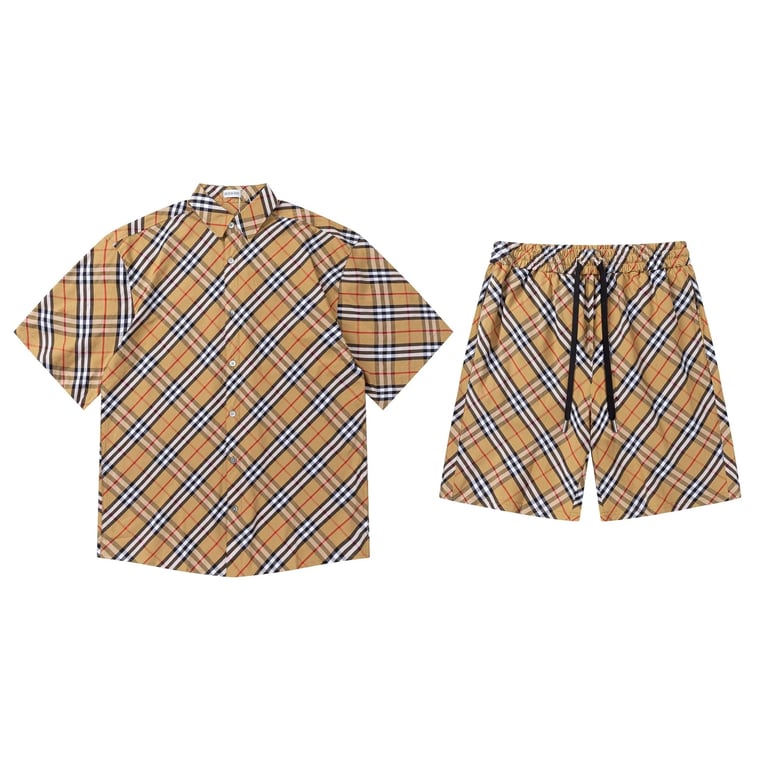
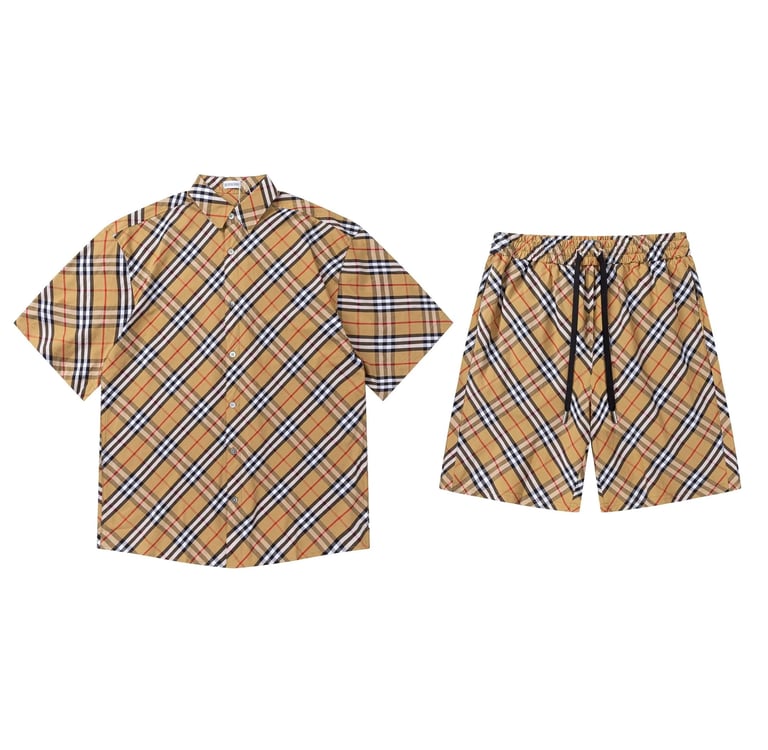
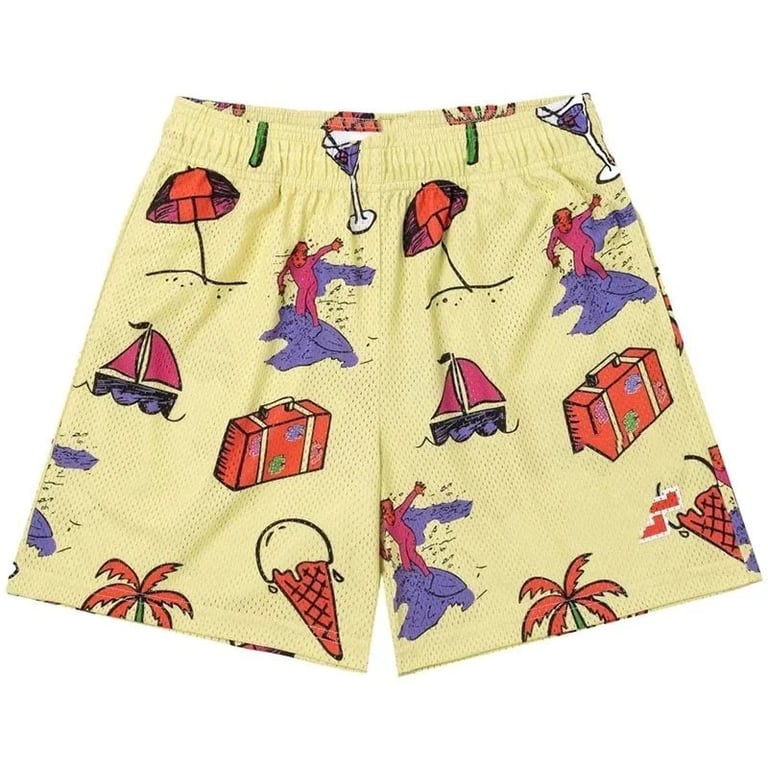
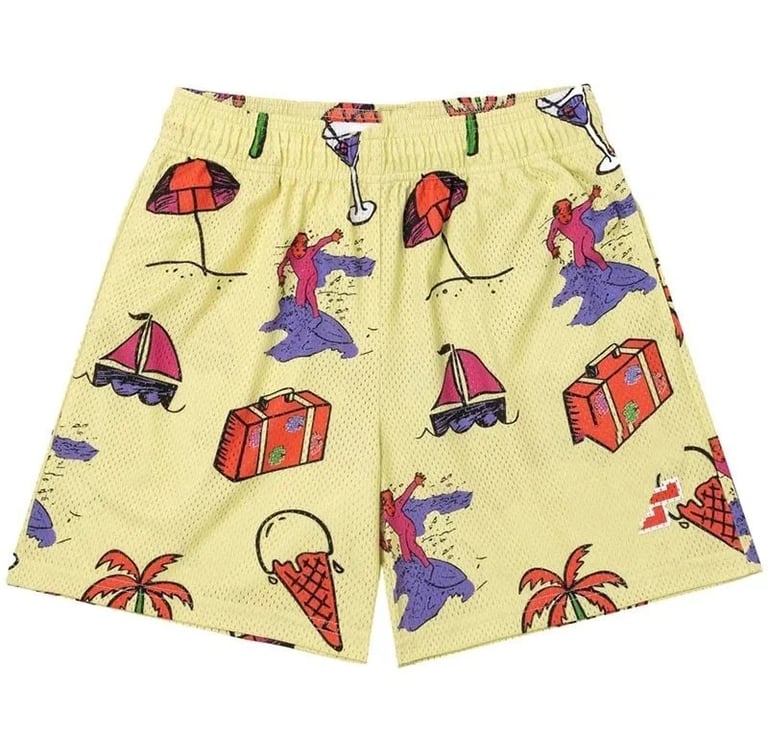





Bulk purchasing strategy using Bbdbuy spreadsheet for retailers
For retail businesses operating in competitive ecommerce environments, bulk purchasing is not just about buying in large quantities—it is about building a controlled sourcing strategy that balances cost efficiency, inventory risk, and product performance. Many retailers struggle with bulk procurement because they rely on inconsistent supplier communication or fragmented product research.
The Bbdbuy spreadsheet introduces a structured way to evaluate bulk purchasing opportunities by organizing wholesale product data into a consistent, comparable format. When combined with Bbdbuy links, it allows retailers to move from product analysis to supplier validation with minimal friction.
This article explains how retailers can build an effective bulk purchasing strategy using the Bbdbuy spreadsheet system.
Understanding bulk purchasing in modern retail
In traditional retail procurement, bulk purchasing typically involves committing to large inventory orders based on supplier catalogs, trade shows, or direct negotiation. While this approach can reduce unit cost, it also increases risk if demand is miscalculated.
Modern ecommerce retailers face different conditions:
Faster product lifecycle changes
Higher demand unpredictability
Shorter trend windows
Greater competition across marketplaces
Because of this, bulk purchasing must become more flexible and data-driven rather than purely volume-based.
The Bbdbuy spreadsheet supports this shift by allowing retailers to evaluate multiple bulk options before committing to large orders.
Step 1: Identifying scalable product categories
The first step in a bulk purchasing strategy is selecting categories that can scale.
Inside the Bbdbuy spreadsheet, product listings are typically organized by category, making it easier to identify segments with bulk potential.
Retailers often prioritize categories such as:
Fast-moving consumer goods
Fashion basics with repeat demand
Home essentials and utility products
Lightweight accessories with low shipping cost
The goal is not to find a single product immediately, but to identify categories that can support repeated bulk orders over time.
This ensures that purchasing decisions align with long-term inventory strategy rather than short-term trends.
Step 2: Filtering bulk-ready products inside Bbdbuy spreadsheet
Once a category is selected, retailers begin filtering for bulk-ready products within the Bbdbuy spreadsheet.
Bulk-ready products typically show:
Stable supplier availability
Multiple variation options (sizes, colors, bundles)
Consistent pricing structures
Low production complexity
These characteristics indicate that the product can be ordered repeatedly without significant supply chain disruption.
Instead of focusing only on demand signals, retailers evaluate whether the product can be reliably sourced in volume.
Step 3: Evaluating cost efficiency at scale
One of the most important aspects of bulk purchasing is understanding how pricing behaves at scale.
Inside the Bbdbuy spreadsheet, users can compare how product costs vary across suppliers and order levels. This helps identify:
Bulk discount thresholds
Price stability across different suppliers
Cost differences between small and large orders
A product that appears cheap at small quantities may not remain cost-effective at bulk scale.
Retailers use the spreadsheet to simulate scaling scenarios before committing to large inventory orders.
Step 4: Validating suppliers through Bbdbuy links
After identifying potential bulk products, validation becomes critical.
The Bbdbuy links system allows retailers to directly access supplier pages and verify real-world conditions, including:
Actual bulk pricing accuracy
Stock availability for large orders
Variation consistency in bulk quantities
Supplier responsiveness to inquiries
This step ensures that spreadsheet data aligns with real supplier capabilities.
Without this validation, bulk purchasing decisions carry significantly higher risk.
Step 5: Building a risk-balanced purchasing strategy
A strong bulk purchasing strategy is not based solely on cost minimization. It is based on balancing risk and scalability.
Retailers using the Bbdbuy spreadsheet often diversify their bulk orders across:
High-confidence products (stable demand, proven suppliers)
Medium-risk products (emerging demand signals)
Low-cost test bulk items (experimental inventory)
This layered approach reduces dependency on a single product while maintaining flexibility in inventory management.
By combining different risk levels, retailers can stabilize overall performance even in volatile markets.
Step 6: Timing bulk purchases for market efficiency
Timing is another important factor in bulk sourcing strategy.
Using the Bbdbuy spreadsheet, retailers can observe:
Product frequency across updated listings
Category-level activity trends
Supplier availability changes over time
These signals help determine whether a product is in early growth, peak demand, or declining phase.
Timing bulk purchases correctly allows retailers to:
Enter markets before saturation
Avoid overstocking declining products
Maximize profit during peak demand cycles
This is especially important in fast-moving ecommerce environments.
Step 7: Scaling successful bulk products
Once a product proves successful in initial bulk testing, retailers can scale purchasing systematically.
The Bbdbuy spreadsheet supports this by allowing repeated sourcing of the same product across multiple suppliers, while Bbdbuy links provide direct access for reordering and expansion.
A typical scaling process includes:
Initial small-batch bulk order
Performance evaluation in market
Supplier optimization using spreadsheet comparisons
Increased order volume with preferred supplier
Expansion into product variations or bundles
This structured scaling process reduces uncertainty and improves long-term profitability.
Common mistakes in bulk purchasing strategies
Retailers often make avoidable mistakes when transitioning into bulk sourcing.
Some of the most common include:
Committing to large orders without supplier validation
Ignoring scalability of pricing structures
Overloading inventory with single-product dependency
Skipping verification through Bbdbuy links
Focusing only on lowest unit cost instead of total value
Avoiding these mistakes is essential for maintaining sustainable retail operations.
Conclusion
Bulk purchasing in modern retail requires more than just negotiating lower prices—it requires structured decision-making, supplier validation, and risk management. The Bbdbuy spreadsheet provides a framework for evaluating bulk opportunities, while Bbdbuy links ensure that decisions are backed by real supplier data.
By combining category filtering, cost analysis, supplier validation, and structured scaling strategies, retailers can build a repeatable bulk purchasing system that supports long-term ecommerce growth.
In competitive markets, this systematic approach often determines whether a retail operation remains stable or becomes vulnerable to inventory risk.